How to Start a Blog in 2026 and Make Money: Step-by-Step Beginner Guide
Did you know there are thousands of people who work just a few hours a day from home and earn a steady income? The question is—can you become one of them?
The answer is yes, if you love writing.
Right now, about 77% of internet users read blogs regularly. That means billions of people go to blogs every day to find information on different topics. And because of this huge audience, blogging is still a reliable source of income.
A real-life example is Bonnie (Ling) Thich, the founder of Find Savvy Panda blog. She earns more than $20,000 every month through blogging. But her success didn’t happen overnight. She reached this stage through consistent hard work, high-quality content, and the right strategy. So, if you keep trying, you can do it too.
In this article, I will show you, step by step, how to build a successful blog from scratch and earn a steady income from it.
Before We Begin — Does Blogging Still Work in 2026?
Yes, it does. Even in 2026, Google Search answers billions of questions every day. Even after the introduction of AI Overviews, people still visit blogs when they want in-depth guides, honest personal reviews, detailed comparisons, and experience-based content.
However, the reality is this: blogs that only publish generic information or copy AI-generated content without proper editing and accurate information are losing their rankings on Google. On the other hand, writers who create content based on their real experience, research, and personal insights are doing really well .
So, to survive and succeed in blogging in 2026 , you should not depend only on search engines. Diversifying your traffic sources has now become essential.
What is Blogging?
Blogging is the process of regularly publishing informative or experience-based content on a blog (website).
It allows you to share your knowledge, experience, or opinions with others. As a result, it can create opportunities to earn money and grow your career.
Choosing a Niche — The Most Important Decision
Your niche is the main topic of your blog. It’s the specific subject you will write about on your website. It could be Travel, Home Decor, Beauty & Lifestyle, Finance, or Recipes. If you do not choose the right niche, it will be difficult to earn well from your blog , no matter how good your content is.
Keep these three things in mind when choosing the perfect niche:
1. Passion: Ask yourself — can you keep writing about this topic for years without getting tired. Because if you are not genuinely interested, you will lose motivation to create content over time.
2. Knowledge: You do not have to know everything from the beginning. But you should be able to do proper research and share more reliable and useful information than the average reader.
3. Monetization: Before choosing a niche, check whether you can earn money from it. That may be affiliate products, ad networks (such as AdSense, Ezoic, and Mediavine), or by selling your own digital products.
Some Beginner-Friendly Niches
If you want to start a new blog in 2026, you can begin with any of these niches:
- Home Decor & Organization
- Personal Finance & Side Hustles
- Quick & Healthy Recipes
- Minimalist Lifestyle & Self-Care
- Job Posting
- Educational Content
Setting Up Your Blog — Platform, Domain, and Hosting
To start a blog, you need three things: a Platform, a Domain Name, and Hosting.
1. Platform: Choose WordPress.org
For long-term income, WordPress.org (self-hosted) is the best choice. You can start with Blogger or Wix, but they offer less control.
2. Domain Name
A domain is your blog’s address, such as: www.yourblog.com
A good domain name should be short and easy to remember.
Choose a .com domain that matches your niche. If a .com domain is not available, you can also consider these extensions: .net, .co, .io, .org. You can buy a domain from bluehost or Hostinger. The annual cost is around $10–$12.
3. Choose a Hosting Service
There are several types of hosting, such as Shared Hosting, VPS Hosting, and Managed WordPress Hosting.
If you are a beginner, start with Shared Hosting. Hostinger and Bluehost offer affordable and reliable Shared Hosting plans. As your traffic grows, you can upgrade later.
Set Up Your Blog with WordPress — Step by Step
WordPress is the world’s most popular blogging platform. Right now, about 43% of all websites on the internet are built with WordPress.
Step 1: Install WordPress
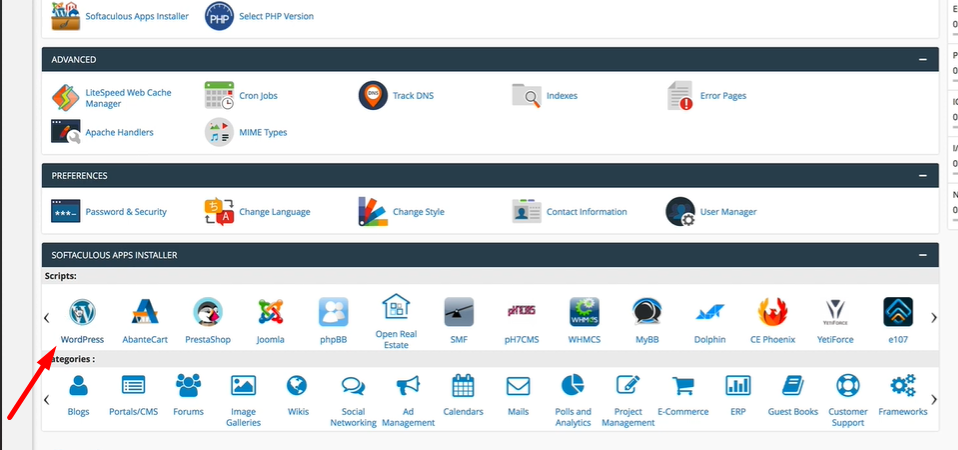
Most hosting providers now offer One-Click WordPress Install. If you use cPanel or hPanel, just go to your panel , find the WordPress Installer, and install it.
Step 2: Install Essential Plugins
Here are the plugins you should install for a new blog:
- Yoast SEO or Rank Math — for SEO optimization
- Akismet Anti-Spam — to block spam comments
- WP Super Cache or W3 Total Cache — to improve site speed
- UpdraftPlus — for backups
- Contact Form 7 — for contact forms
- Smush — to compress images
Blog Design and Theme
Your blog’s design creates your reader’s first impression.
Features of a Good Theme
- Mobile-friendly (Responsive)
- Fast loading
- Clean and simple design
- Easy to customize
Some Good Free Themes
- Astra — Fast and lightweight
- GeneratePress — Best for performance
- OceanWP — Comes with many options
- Kadence
Tip: Start with a free theme. Once your blog grows, you can switch to a premium theme.
Content Strategy — What to Write and How to Write It
Content is the soul of your blog. But in today’s world, you can’t just write anything and expect to succeed. You need to write the right content, in the right way, for the right audience.
Here are the key elements of a successful, high-ranking blog post.
Keyword Research — Do This First
Keyword research means finding out what people are actually searching for on Google.
Free tools:
- Google Keyword Planner
- Ubersuggest (limited free version)
- Google Autocomplete (the suggestions that appear as you type in Google)
Paid tools:
- Ahrefs
- Semrush
Tip for beginners: Start by targeting low-competition, long-tail keywords. For example, instead of writing an article targeting “curtain color ideas,” target a more specific keyword like “what colour curtains go with beige walls.”
Other Important Things to Keep in Mind:
1. Understand Search Intent
You need to understand why people search for a specific keyword. Are they looking for information (Informational), planning to buy a product (Transactional), or comparing two products or services (Commercial)? If you do not understand search intent, it will be difficult to rank on Google’s first page.
2. Add Your Own Experience
According to Google’s current E-E-A-T (Experience, Expertise, Authoritativeness, Trustworthiness) guidelines, real-life experience is more valuable than ever. AI can provide information, but it cannot share your personal experience. So, include your own opinions, personal experiments, original photos, or case studies in your articles. This makes your content unique and helps build trust with both Google and your readers.
3. Create Different Types of Content
Don not always write in the same format. Try different styles:
- How-to guides: “How to Control Diabetes”
- List articles: “Top 10 Tourist Attractions in Italy “
- Product reviews: “Samsung Galaxy A55 Review”
- Comparison articles: ” X vs Y — Which Is Better?”
- News and updates: Articles on the latest information
- Case studies
4. Stay Consistent
You do not need to publish content every day when you are starting. Posting one or two high-quality articles each week is enough. Quality and consistency are much more important for SEO than publishing a large number of articles.
Content Pillar Strategy

One of the most modern and effective ways to grow your SEO quickly and build Topical Authority is the Content Pillar Strategy.
Pillar Post: First, create one detailed and comprehensive guide on a specific topic. For example: “modern living room ideas.”
Cluster Posts: Then create separate articles that cover smaller topics related to the main pillar post. For example: “cozy living room ideas,” “small budget friendly living ideas,” or “minimalist living room.”
Internal Linking: Finally, link all of your cluster posts to the main pillar post, and also link the pillar post back to the related cluster posts. This builds a strong content network on your site.
SEO — Get Free Traffic from Google
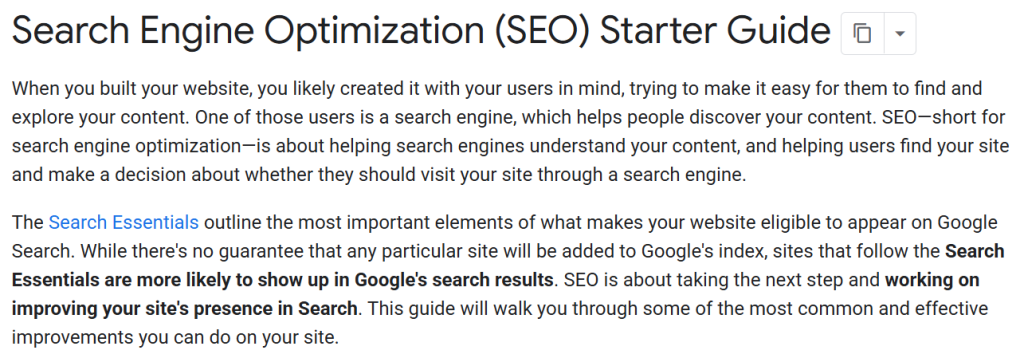
The biggest source of long-term income from blogging is Organic Search Traffic. To get it, you need to learn SEO (Search Engine Optimization).
There are three types of SEO: On-Page SEO, Off-Page SEO, and Technical SEO.
On-Page SEO
Title Tag
- Include your main keyword in the title.
- Keep it within 60 characters.
Meta Description
- Keep it within 160 characters.
- Write a description that encourages people to click.
Heading Structure
- H1: Only one (your article title)
- H2: Main sections.
- H3: Subsections.
URL: if your article is about 15 minimalist living room decorations, the URL could be [https://yourblog.com/minimalist-living-room-ideas]
Image Alt Text: Add alt text to every image
Internal Linking: Link to other articles on your own blog
Technical SEO
- Keep your website fast (check it with Google PageSpeed Insights).
- Use an HTTPS/SSL certificate.
- Make sure your website is mobile-friendly.
- Add your blog to Google Search Console.
- Create an XML Sitemap.
Off-Page SEO
Build Backlinks:A backlink is a link from another website to your blog. It is one of the most important ranking factors in Google.
If you want to learn SEO, visit Ahrefs, Semrush, and Backlinko
How to Get Visitors from Pinterest
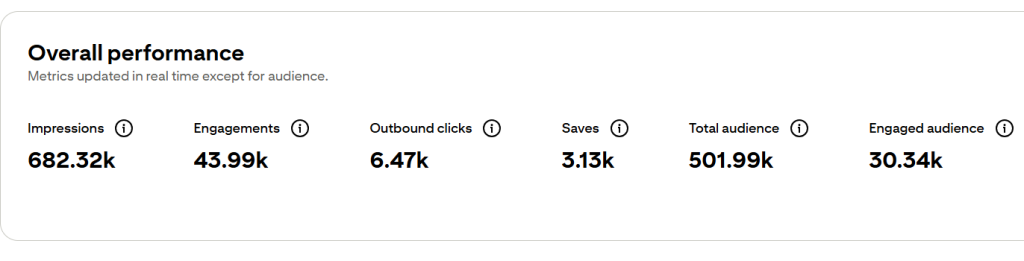
Pinterest is a visual search engine. Just like Google, people search for ideas on Pinterest. Instead of showing websites directly, Pinterest shows Pins. When someone clicks a Pin, they go to your website.
According to recent statistics, Pinterest now has more than 518 million monthly active users. One of its biggest advantages is that around 80% of users visit Pinterest to discover new brands, ideas, and blog posts.Plus, content on Pinterest has a much longer lifespan than on any other social media platform.
How to Get Started
- Create a Pinterest Business Account that matches your website and claim your website.
- Do Pinterest keyword research and create content based on those keywords.
- Create several Pinterest boards that are relevant to your niche.
- Try to keep every Pin 1000 × 1500 pixels. This size performs well on Pinterest.
- Use keywords in your Pin titles, descriptions, and board names.
- In the beginning, publish two or three Pins every day. After about a month, increase this to 5–10 fresh Pins daily.
- Stay active on Pinterest — like, comment, and save well-performing Pins to your relevant boards.
- Check Pinterest Analytics to see which Pins are doing well, and adjust your strategy accordingly.
Getting Visitors from Social Media
Because of Google’s frequent updates and the rise of AI, getting organic traffic from Google has become much more difficult for new websites. As a result, many bloggers now use Pinterest and other social media platforms to drive traffic to their websites. Some popular platforms include:
- YouTube
- TikTok
Start with the platform that fits your niche best:
- If your niche is jobs or work from home, Facebook and LinkedIn will work well.
- If your niche allows you to create videos, YouTube and TikTok are great options.
7 Ways to Make Money from Your Blog
1. Google AdSense

Google AdSense is Google’s own advertising platform and one of the most popular ways to earn money from a blog. Google displays ads on your blog, and you earn money when visitors view or click on those ads.
How to get approved:
- Publish at least 15–20 high-quality articles.
- Add About, Contact, and Privacy Policy pages.
- Apply through AdSense.com.
- Once approved, you’ll start earning
2. Affiliate Marketing
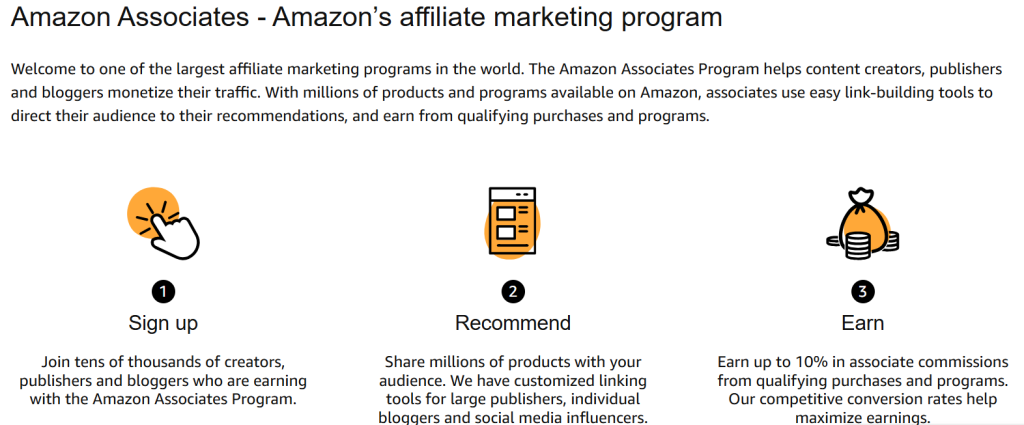
Share a product or service link in your article. When someone buys through your link, you earn a commission.
Popular affiliate programs:
- Amazon Associates (4–10% commission)
- CJ Affiliate
- Impact
- ClickBank
- ShareASale
- Commission Junction
- Stay22 (Travel affiliate program)
3. Sponsored Posts
Companies may pay you to write about their products or services on your blog.
To get sponsored posts, your blog should have a good amount of traffic.
4. Sell Your Own Products or Services
You can use your blog as a platform to sell your own products or services, such as:
- Sell eBooks on different topics
- Create online courses
- Offer consultation services
- Find freelance clients
5. Email Marketing
Build an email list of your blog readers.Then promote your products or services directly to them through email.
6. Display Advertising (Besides AdSense)
There are other ad networks that often pay more than AdSense:
- Ezoic
- Mediavine
- AdThrive
7. Get Freelance Writing Clients
Use your blog as a portfolio and offer content writing services to clients.
Common Mistakes New Bloggers Make
1. Starting Without Choosing a Niche
Many beginners write about every topic. As a result, they never build authority in any one area. Today, Google’s E-E-A-T guidelines are more important than ever. So, focus on becoming an expert in a specific niche.
2. Writing Without SEO
Writing a good article is not enough. You also need to optimize it properly for SEO.
3. Copying Other People’s Content
If you copy someone else’s content word for word, Google treats it as duplicate content and does not rank it. Always do proper research and write in your own words.
4. Giving Up Too Soon
Blogging takes time to produce results. Without patience, it is very difficult to succeed.
Conclusion
Making money from blogging is absolutely possible — but it’s not magic.
Successful bloggers are patient, work consistently, and create content with their readers in mind.
To get started today, follow these steps:
- Choose your niche.
- Buy a domain name.
- Get hosting and set up WordPress.
- Write your first 10 articles.
- Start learning SEO.
Frequently Asked Questions
A professional blog usually costs around BDT 50–60 dollars per year to get started.
Absolutely. You can easily create a blog using CMS platforms such as WordPress, Blogspot, or Ghost without any coding knowledge.
Yes, WordPress has a mobile app. But working on a desktop or laptop is much more convenient.